
Beverly J. Scott L.M.F.T. - Pacific Coast Counseling
Introduction to Services
Welcome to the Services Overview for Pacific Coast Counseling. This page outlines the core counseling services I offer as a Licensed Marriage and Family Therapist (L.M.F.T.) in Redondo Beach, CA. Since 1996, I’ve provided psychotherapy to couples, families, and individuals facing a wide range of relational and mental health concerns. This overview summarizes each service area to help you find the best fit for your needs: Marriage and Family Counseling, Couples Therapy, Individual Therapy, Trauma Therapy, and Grief Therapy.
Why a clear services overview matters
When seeking therapy, it’s essential to match your needs with a therapist’s expertise. This page clarifies the scope of services, typical presenting problems addressed, expected outcomes, and how therapy with Pacific Coast Counseling proceeds. Understanding these details helps you make an informed choice about care, reduces uncertainty, and accelerates access to effective treatment.
Service summaries and who they help

Marriage and Family Counseling
Focus: Systemic issues, family dynamics, communication breakdowns, parenting conflicts, blended family transition.
Who benefits: Couples, parents, extended families experiencing ongoing conflict, role shifts after remarriage, or legal/family transitions.
Outcomes: Clearer roles, improved communication, restored attachment, stronger co-parenting, reduced household conflict.

Couples Therapy
Focus: Emotion-focused work, conflict repair, infidelity recovery, sexual and emotional intimacy, negotiation during life transitions.
Who benefits: Partners struggling with trust, frequent arguments, disconnection, sexual issues, or navigating significant life changes.
Outcomes: Repair strategies, improved dialogue, emotional reconnection, and sustainable conflict resolution skills.

Individual Therapy
Focus: Anxiety, depression, life transitions, relationship patterns, self-esteem, identity work, stress management, and personal growth.
Who benefits: Adults seeking symptom relief, insight into patterns, or strategies to manage daily functioning and relationships.
Outcomes: Reduced symptoms, improved coping skills, enhanced insight, and better relationship functioning.

Trauma Therapy
Focus: Trauma-informed care for single incident and complex trauma, PTSD symptoms, dissociation, hypervigilance, and relational aftereffects.
Who benefits: Survivors of accidents, abuse, violence, or prolonged stress who experience intrusive memories, avoidance, or dysregulation.
Outcomes: Stabilization, improved safety and regulation, decreased PTSD symptoms, integration of traumatic memories.

Grief Therapy
Focus: Bereavement support, complicated grief, loss of significant relationships, non-death losses (divorce, job loss), and mourning rituals.
Who benefits: Individuals struggling to process loss, those stuck in prolonged grief, and families adjusting to life transitions.
Outcomes: Processed grief, restored functioning, new meaning-making, and adaptive coping strategies.

Group Therapy
Focus: Shared healing, interpersonal skills, and mutual support in a facilitated environment.
Who benefits: Individuals or couples looking for community connection, specific support for grief or trauma, or relational skill-building with peers.
Outcomes:
Reduced isolation, improved social confidence, and shared perspective on common challenges.
How therapies are delivered

In-person sessions
Comfortable office located at 1611 South Pacific Coast Highway #200b, Redondo Beach, CA 90277.
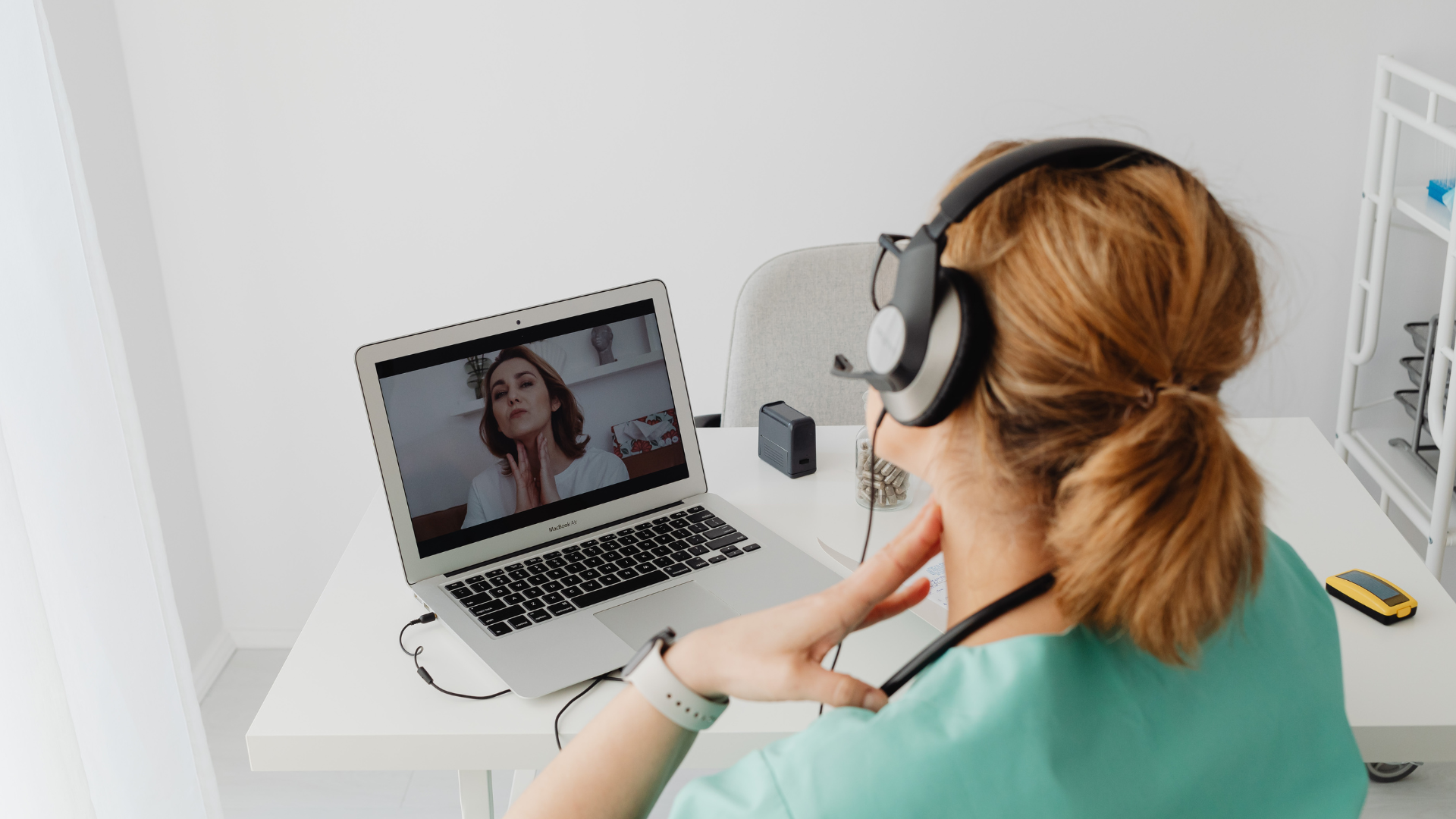
Telehealth sessions
Secure, HIPAA-compliant video sessions for clients who prefer virtual therapy.

Session structure
Typical sessions are 50 minutes; couples sessions may extend to 75–90 minutes when addressing complex relational work.

Assessment and individualized treatment planning
Every client begins with a comprehensive assessment. For couples and families, this includes relational mapping and goal-setting. For trauma and grief, the initial phase focuses on stabilization and safety. An individualized treatment plan is created with clear milestones and regular progress reviews to ensure therapy remains focused and effective.

Evidence-based approaches used

EMDR (Eye Movement Desensitization and Reprocessing): A specialized trauma treatment designed to alleviate the distress associated with traumatic memories.
Emotion-Focused Therapy (EFT) for couples and attachment repair.

Brainspotting: A powerful, focused treatment tool that works by identifying, processing, and releasing core neurophysiological sources of emotional/body pain and trauma.

Neuroscience-Informed Therapy: Utilizing the latest understanding of brain function to help clients regulate their nervous systems and improve emotional resilience.

Integrative Talk Therapy: Combining relational systems theory with somatic (body-based) awareness and practical skills training.
This is the text area for this paragraph. Once you've added your content, you can customize its design by using different colors, fonts, font sizes and bullets.
Common session goals by service
Marriage and Family Counseling
Reduce conflict, rebuild trust, define family roles, improve co-parenting.
Couples Therapy
Address infidelity, deepen intimacy, resolve chronic communication loops, plan for life transitions.
Individual Therapy
Reduce anxiety/depression, improve self-esteem, change maladaptive patterns, strengthen resilience.
Trauma Therapy
Regain safety, reduce triggers, integrate traumatic narratives, restore sense of self.
Grief Therapy
Process loss, restructure daily routines, restore meaning, engage in adaptive rituals.
What to expect in the first three sessions
Session 1
Intake assessment, presenting concerns, history, and immediate safety evaluation; clarify therapy goals and logistics.
Session 2
Deeper exploration of relational patterns or personal history; begin targeted interventions and recommend initial practices.
Session 3
Review progress, refine the treatment plan, and introduce skill-based strategies tailored to your needs.
Outcomes and progress measurement
Practical information
Location
1611 South Pacific Coast Highway #200b, Redondo Beach, CA 90277
Years Practice
Since 1996
Mode of Therapy
In-person and secure telehealth.
Fees & Insurance
Private pay; superbills provided for out-of-network reimbursement. Call to discuss fees and potential sliding scale options
Frequently asked questions about services
How quickly will I see results?
Many clients notice initial relief within a few sessions for symptom-focused work; deeper relational or trauma changes often require several months of consistent therapy.
Note: As per client, ideally, the first session is in person in her office
Are telehealth sessions effective?
Yes. Telehealth is an effective modality for many presenting issues and offers convenience for those with transportation or scheduling barriers.
With over 30 years of experience, I have found that when clients commit to understanding themselves — recognizing their patterns, attractions, and choices — meaningful change is possible. The vast majority of my clients go on to live more fulfilling lives. My hope is that each person who begins this work gains the self-awareness needed to create new patterns and attract healthier, more aligned situations.
Can you help with emergency mental health needs?
For immediate crisis, call emergency services or your local crisis line. I will provide referrals or urgent care directions if needed.
Do you treat adolescents?
My practice focuses primarily on adult individuals, couples, and families. Referrals can be provided for specialized child and adolescent services when needed.
Are telehealth sessions effective?
Yes. Telehealth is an effective modality for many presenting issues and offers convenience for those with transportation or scheduling barriers.
How to get started

Call (310) 544-0166 to schedule a phone consultation. This first contact helps determine fit, clarify goals, and schedule an initial intake.


Closing Statement
At Pacific Coast Counseling, the goal is to provide thoughtful, skilled psychotherapy that addresses the root causes of distress and builds practical skills for everyday life. Whether you’re seeking couples therapy, individual psychotherapy, or support through trauma or grief, you’ll find experienced, compassionate care designed to promote healing and meaningful, lasting change.