

Marriage and Family Counseling
Beverly J. Scott L.M.F.T. - Pacific Coast Counseling

Marriage and Family Counseling
Marriage and family counseling at Pacific Coast Counseling offers specialized, systemic psychotherapy to help couples and families navigate conflict, transitions, and patterns that undermine connection. Since founding my practice in 1996, I’ve helped many families move from rigid, reactive patterns to flexible, collaborative relationships—restoring trust, clarifying roles, and strengthening communication. My work is grounded in systems theory and draws from evidence-based approaches to produce practical, sustainable change.

Family systems shape our emotional development and daily functioning. Unresolved conflicts, unclear boundaries, or misaligned expectations create stress that affects parenting, work, and individual mental health. Marriage and family counseling matters because it addresses issues where they originate: within the system. Rather than treating symptoms in isolation, systemic therapy identifies interactive patterns—how people respond to one another—and helps families develop healthier ways to relate and solve problems. When families learn to regulate emotion, communicate clearly, and support each other, individual symptoms like anxiety and depression often improve as well.
Why Marriage and Family Counseling Matters
Key benefits of Marriage and Family Counseling

System-focused solutions
Interventions target relational dynamics rather than just individual symptoms, leading to powerful shifts across the family unit.

Improved communication
Learn structured tools to express needs and listen without escalating conflict.

Repaired relationships
Work through betrayal, estrangement, or prolonged distance with a structured repair process.

Better co-parenting
Create consistent, collaborative parenting strategies that reduce child behavior problems and improve family stability.

Clearer boundaries and roles
Establish healthy boundaries and predictable family roles to reduce stress and conflict.

Conflict resolution skills
Develop durable strategies for resolving disagreements and managing life transitions.
Couples experiencing chronic conflict, infidelity, or emotional disconnection.
Blended families navigating step-parenting, loyalty conflicts, and role ambiguity.
Families dealing with major life transitions—divorce, remarriage, relocation, or illness.
Parents seeking support for parenting conflicts and behavior management strategies.
Families coping with grief, loss, or trauma who need integrative support.
Who benefits most
Common issues addressed in marriage and family counseling
Chronic arguments around finances, child-rearing, or household roles.
Infidelity, secrecy, and trust repair.
Communication breakdowns and escalation cycles.
Effects of trauma or mental health problems on family functioning.
Blended family transitions and sibling/step-parent conflicts.
Parenting disagreements and inconsistent discipline.
Emotional withdrawal and loss of intimacy between partners.
How I work with families and couples
Goals may include improving communication, rebuilding trust after betrayal, or establishing consistent parenting strategies.
Assessment and system mapping: Initial sessions involve mapping family relationships, roles, and communication patterns. I assess strengths, stressors, and the primary issues that maintain conflict.
Collaborative treatment planning: Together we set goals and create a roadmap for therapy.
Technique integration
I use a range of techniques tailored to family systems:
Assessment and system mapping: Initial sessions involve mapping family relationships, roles, and communication patterns. I assess strengths, stressors, and the primary issues that maintain conflict.
Collaborative treatment planning: Together we set goals and create a roadmap for therapy.
Goals may include improving communication, rebuilding trust after betrayal, or establishing consistent parenting strategies.
Cognitive-behavioral tools for problem solving and behavior change.
Trauma-informed practices when family functioning is affected by past or ongoing trauma.
Session structure and logistics

Session length
Standard individual or family sessions last 50 minutes; couples sessions may extend to 75–90 minutes for deeper relational work.

Frequency
Weekly or biweekly sessions are common. More frequent sessions may be recommended during crisis or active repair work.

Setting
In-person sessions at 1611 South Pacific Coast Highway #200b, Redondo Beach, CA 90277, or secure telehealth for remote participation.

Participation
All relevant family members are encouraged to participate; however, I tailor involvement to the family’s needs, maturity levels, and safety considerations.
Special considerations for blended families and co-parenting
Blended families have unique dynamics—split loyalties, differing parenting styles, and attachment challenges. Therapy focuses on:

Establishing unified parenting strategies

Clarifying expectations and roles for stepparents.

Creating rituals that foster family cohesion.

Managing boundaries with biological parents and extended family members.
Infidelity and trust repair process
Healing after infidelity requires a structured, transparent process.




Trauma and family systems
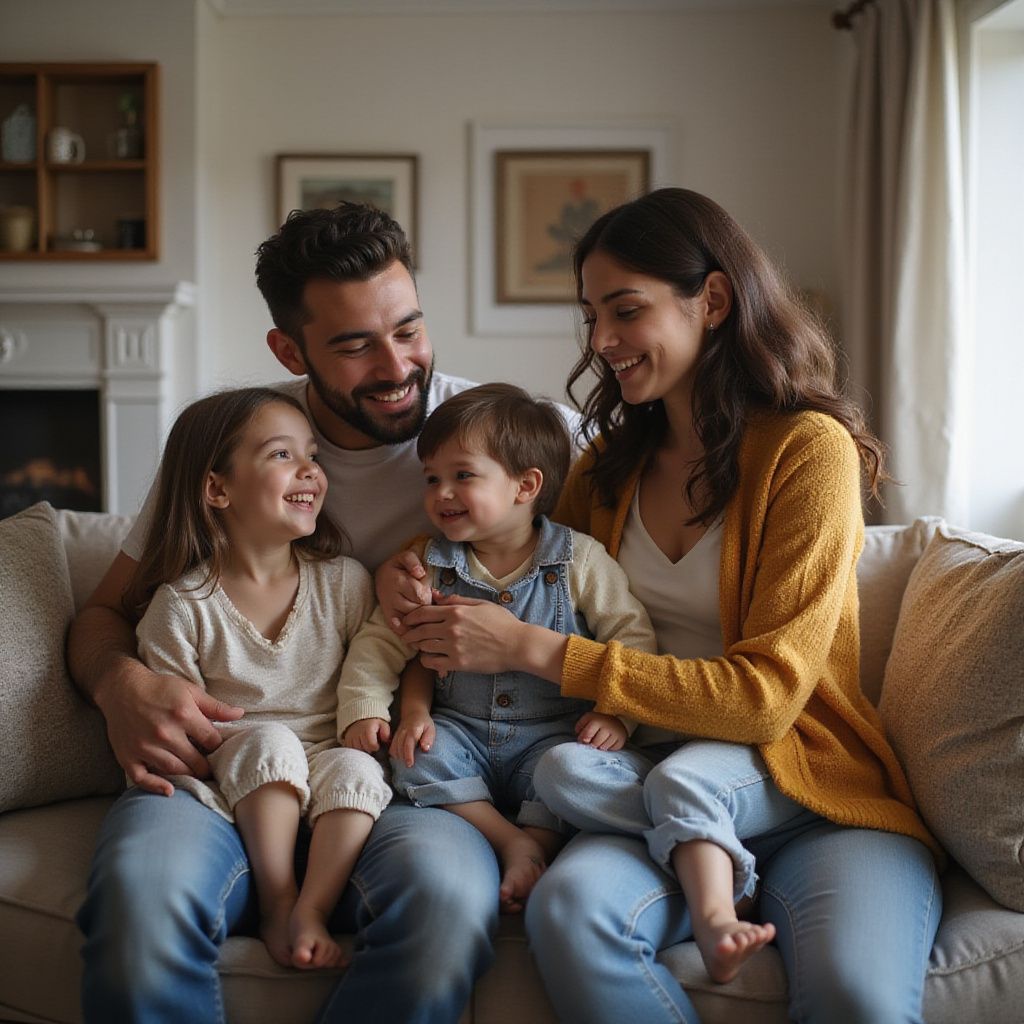



Outcomes and what success looks like
Observable shifts mark progress in marriage and family counseling, reflecting healthier relationships and stronger family dynamics.
Reduced frequency and intensity of conflicts
Clients experience fewer and less severe disagreements, fostering a calmer and more supportive home environment.
Clear and consistent parenting approach
Families develop unified strategies for parenting that promote stability and understanding among all members.
Repaired trust and improved emotional connection
Therapy helps rebuild trust and deepens emotional bonds between partners and family members.
Healthy boundaries and mutually agreed-upon roles
Establishing respectful limits and clearly defined roles enhances cooperation and reduces tension.
Increased problem-solving confidence and resilience
Clients gain skills to address challenges effectively, building resilience and confidence in managing future issues.

Measuring Progress
Accessibility and fees
Office: 1611 South Pacific Coast Highway #200b, Redondo Beach, CA 90277. Private pay; superbills available for out-of-network insurance reimbursement. Sliding scale arrangements may be discussed based on need and availability.
Our office
1611 South Pacific Coast Highway #200b, Redondo Beach, CA 90277
Opening hours
MON-FRI: 9am-7pm
SAT-SUN: Closed (available weekends for emergencies by arrangement)
Frequently Asked Questions
How long will family therapy take?
Duration varies. Some families see meaningful change in 8–12 sessions; complex issues or long-standing patterns may take longer.
Do both partners have to attend?
Ideally, yes—but individual sessions can be integrated when one partner is unavailable or needs separate support.
What if a family member refuses therapy?
We can begin with willing members and develop strategies to encourage broader participation.
Is family therapy confidential?
Yes—professional confidentiality applies, with exceptions for safety and legal requirements. Family confidentiality boundaries will be reviewed in the intake process.
Contact and next steps
To schedule a consultation, call (310) 544-0166. A 20–30 minute phone consultation helps clarify your family’s needs and determine the best path forward. In-person sessions and telehealth options are available.
Closing summary
Marriage and family counseling at Pacific Coast Counseling offers practical, compassionate, and experienced care to help families transform conflict into connection. By addressing systemic patterns and teaching durable skills, therapy supports families in creating stable, supportive environments where individuals can thrive.