
Couples Therapy - Beverly J. Scott L.M.F.T. - Pacific Coast Counseling
Couples Therapy
Couples therapy at Pacific Coast Counseling helps partners repair connection, manage conflict, and deepen intimacy using evidence-informed methods tailored to relationship needs. With over 25 years of experience working with couples, I guide partners through safe, structured therapy that addresses both the emotional and behavioral elements that maintain distress. Whether you’re dealing with chronic arguing, a breach of trust, sexual concerns, or life transitions, couples therapy provides tools to rebuild secure attachment and grow lasting closeness.





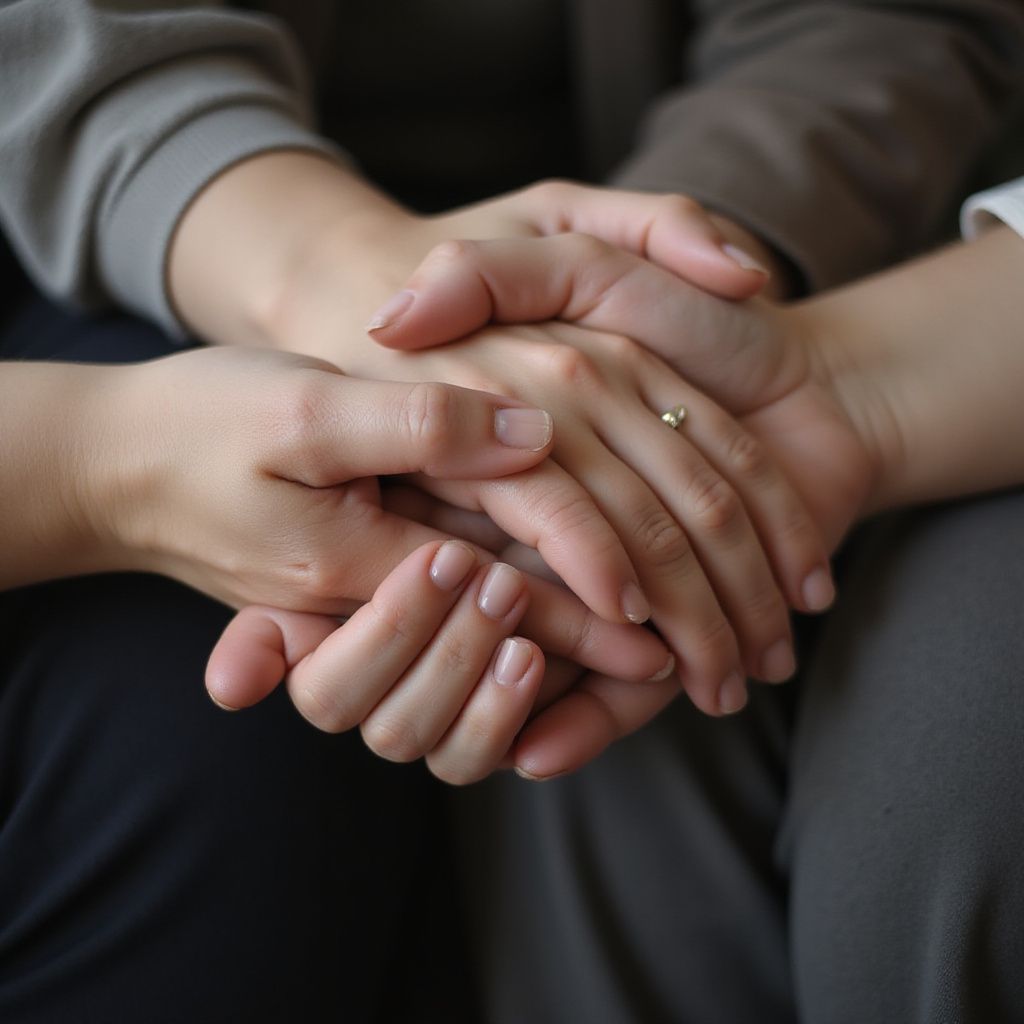
Why Couples Therapy Matters
Core benefits of couples therapy

Improved communication
Learn to express needs without blame and listen deeply to your partner.
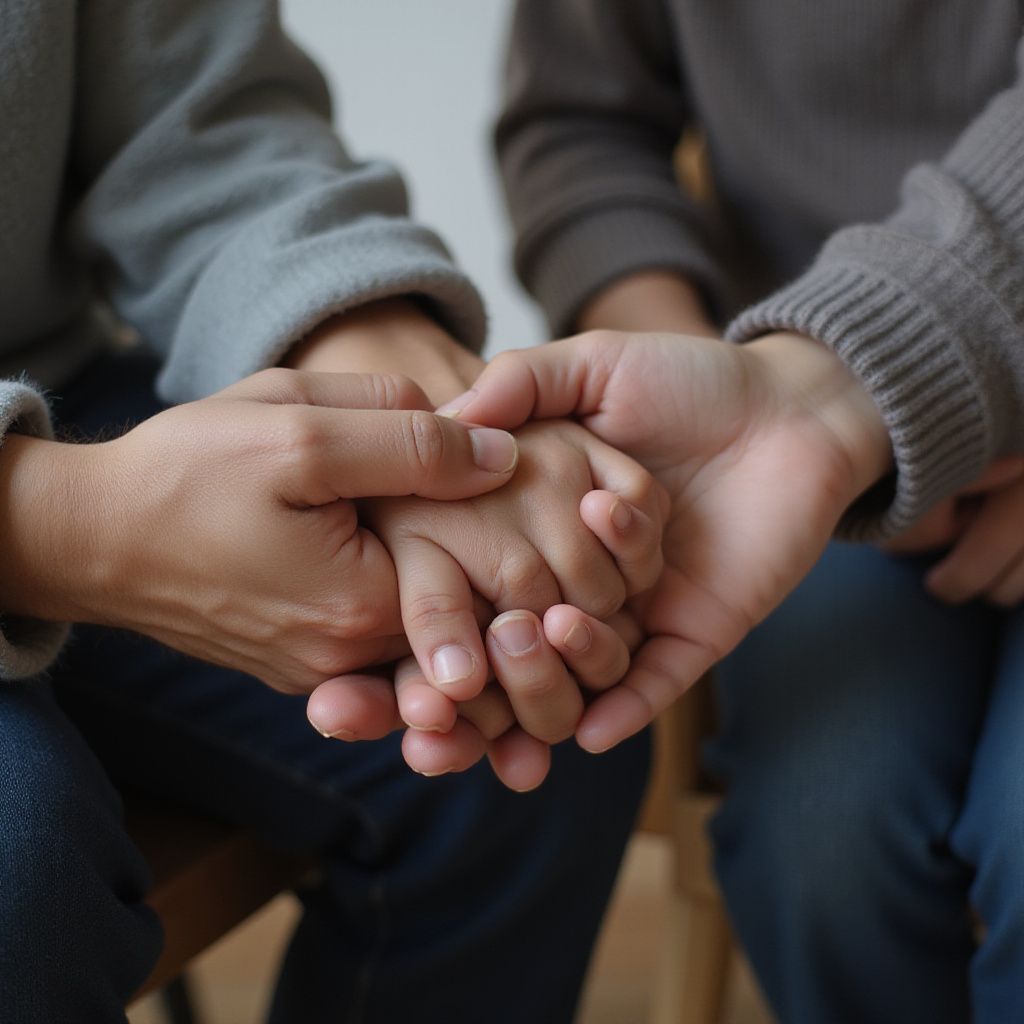
Repair of attachment injuries
Structured interventions address betrayals and restore safety.
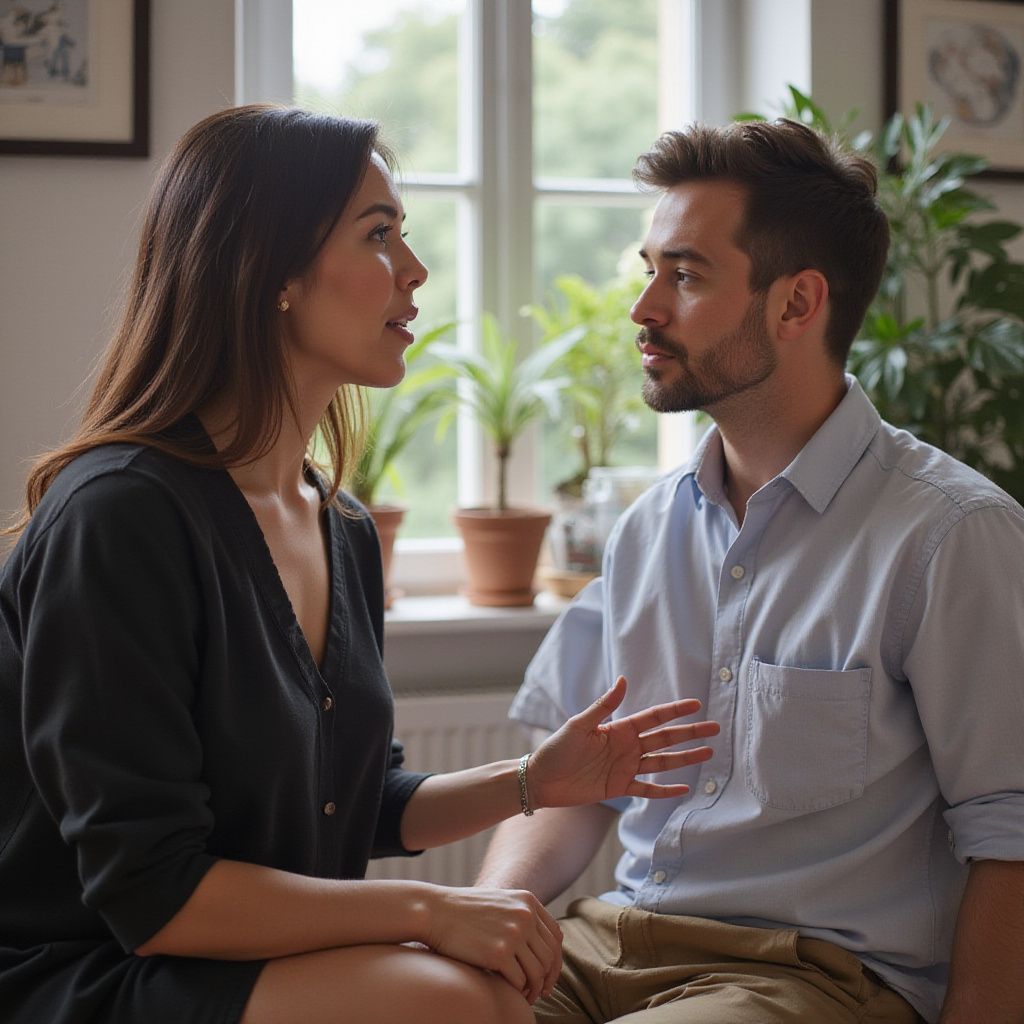
Better conflict management
Replace escalation with effective problem-solving strategies.
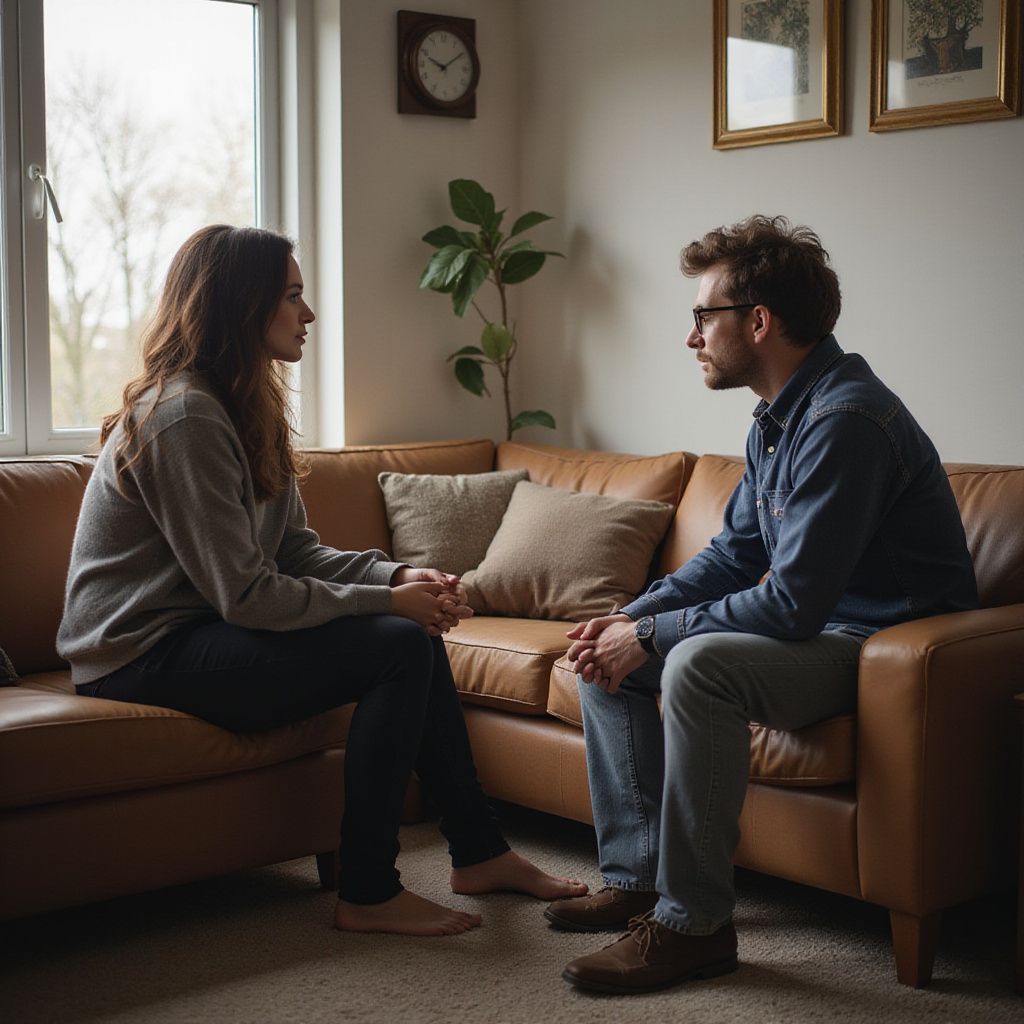
Increased intimacy
Reconnect emotionally and physically through guided exercises.

Clarity during transitions
Navigate major life changes—parenthood, retirement, relocation—with a shared plan.

Anger and reactivity reduction
Develop regulation tools to reduce destructive patterns.
Recurrent fights about same issues
Emotional distance and loss of intimacy
Sexual dissatisfaction or changes in desire
Infidelity or secrecy
Parenting disagreements and blended family issues
Stress from life transitions
Difficulty communicating under stress
Common reasons couples seek therapy

Assessment and Initial Sessions
Therapeutic approaches used in couples therapy
Imago Relationship Therapy
Focuses on transforming conflict into an opportunity for healing and growth by understanding the "childhood wounds" partners bring into the relationship.
Relational Life Therapy (RLT)
A direct, practical approach that helps partners move out of "power struggles" and into "fierce intimacy" by fostering personal accountability and relational health.
Emotion-Focused Therapy (EFT)
Helps partners access underlying emotions and create secure bonds.
Gottman-influenced interventions
Practical tools for increasing fondness and reducing defensiveness.
Repairing trust after infidelity
Infidelity is one of the most common reasons couples seek therapy. Recovery includes:
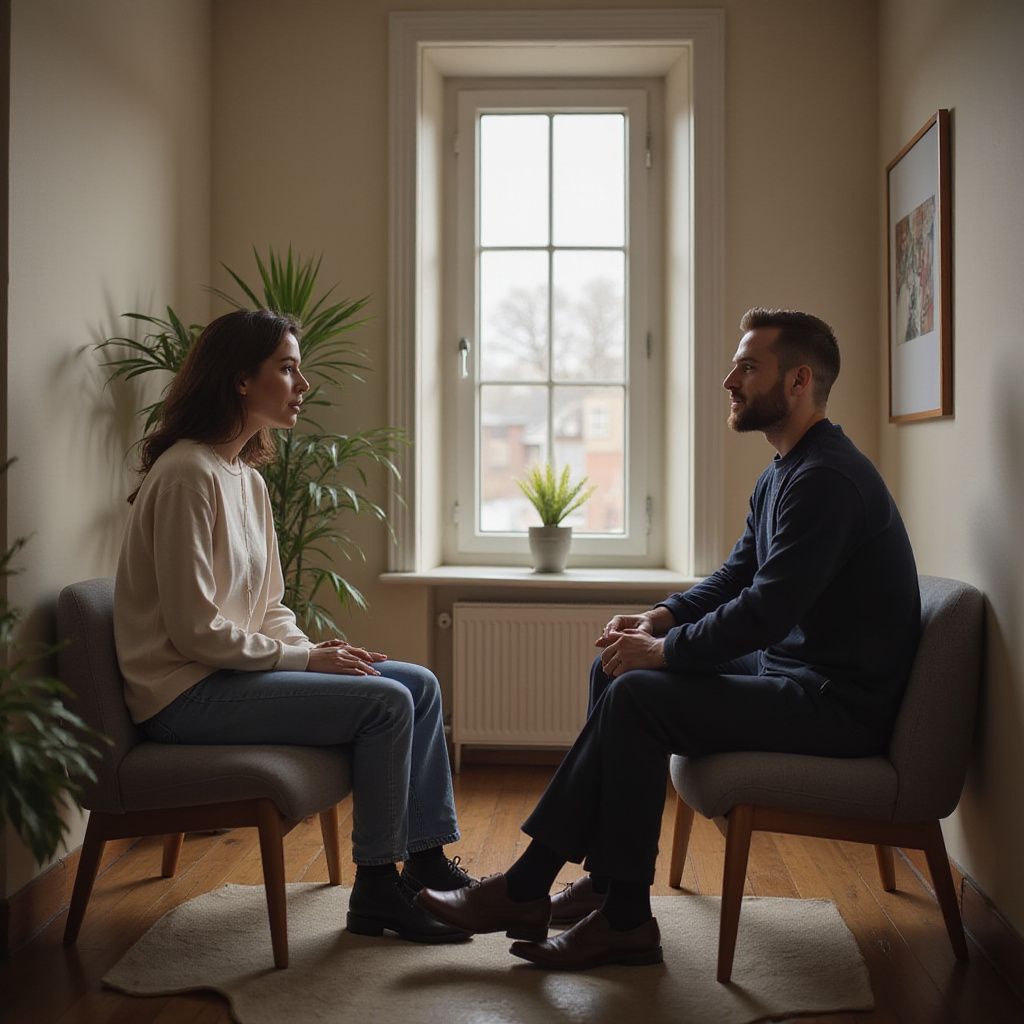
Full disclosure (as appropriate and agreed upon), and creating a safe process for truth-telling.

Addressing the couple’s attachment wounds and unmet needs.

Establishing accountability and rebuilding transparency.
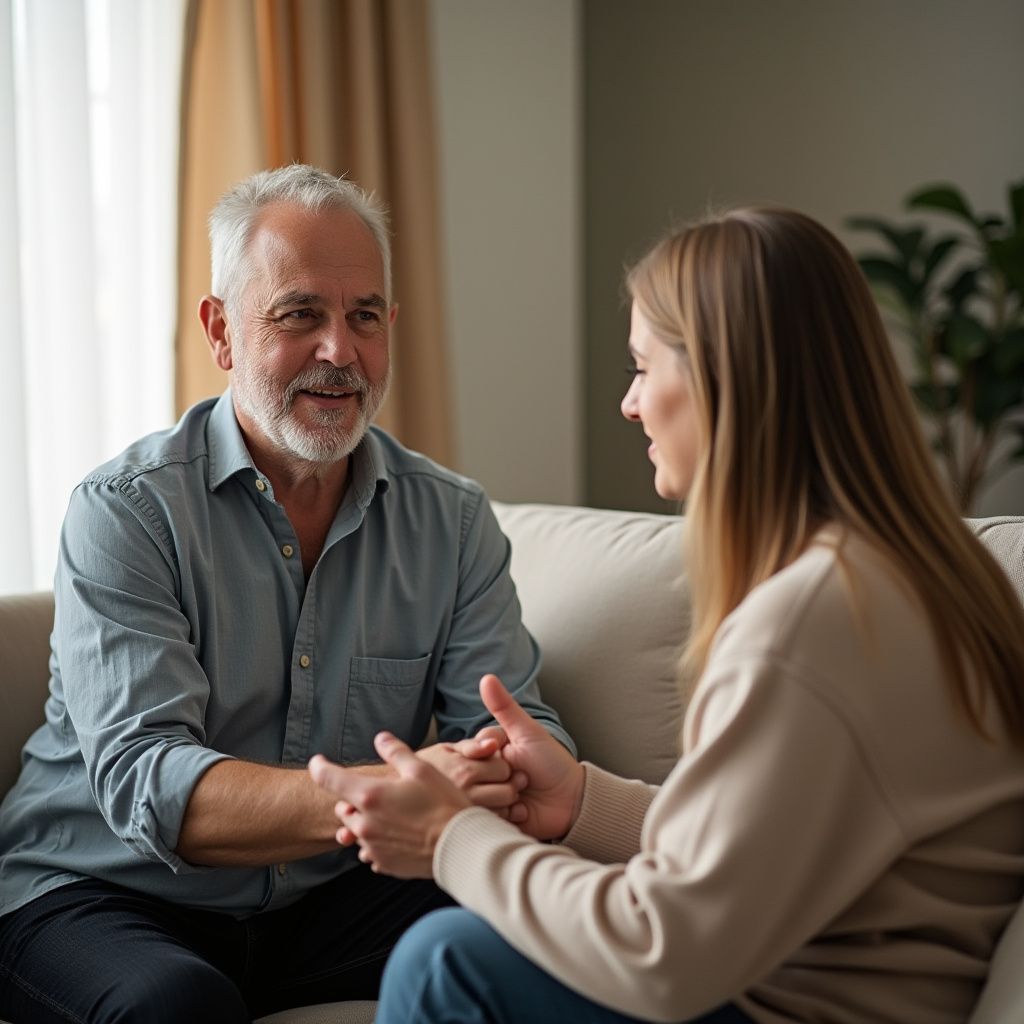
Guided forgiveness work and practical steps to reestablish reliability.
Handling chronic conflict and demand-withdraw cycles
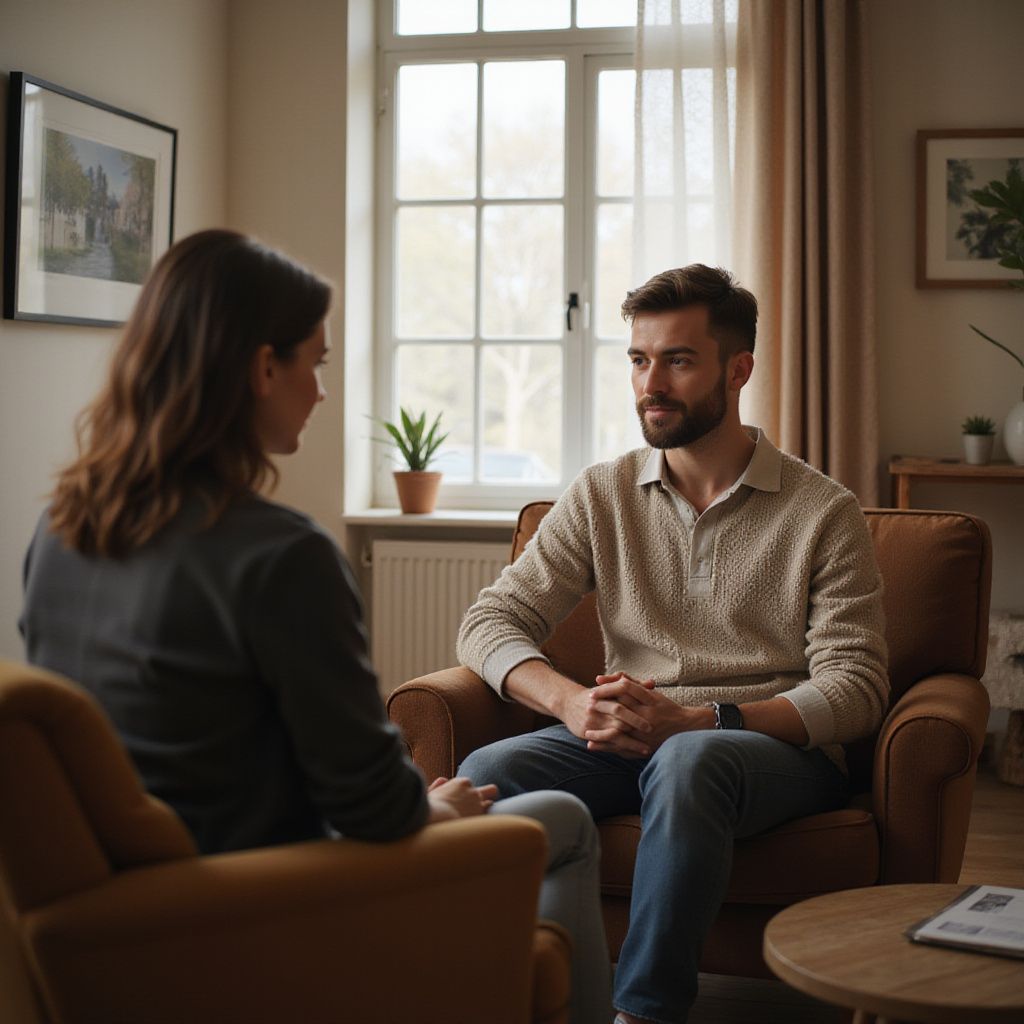
Many couples fall into ‘demand-withdraw’ cycles where one partner pursues change and the other pulls away. Therapy offers:


Sexual issues and intimacy concerns
Sexual dissatisfaction is often a symptom of broader relational dynamics. Therapy addresses:
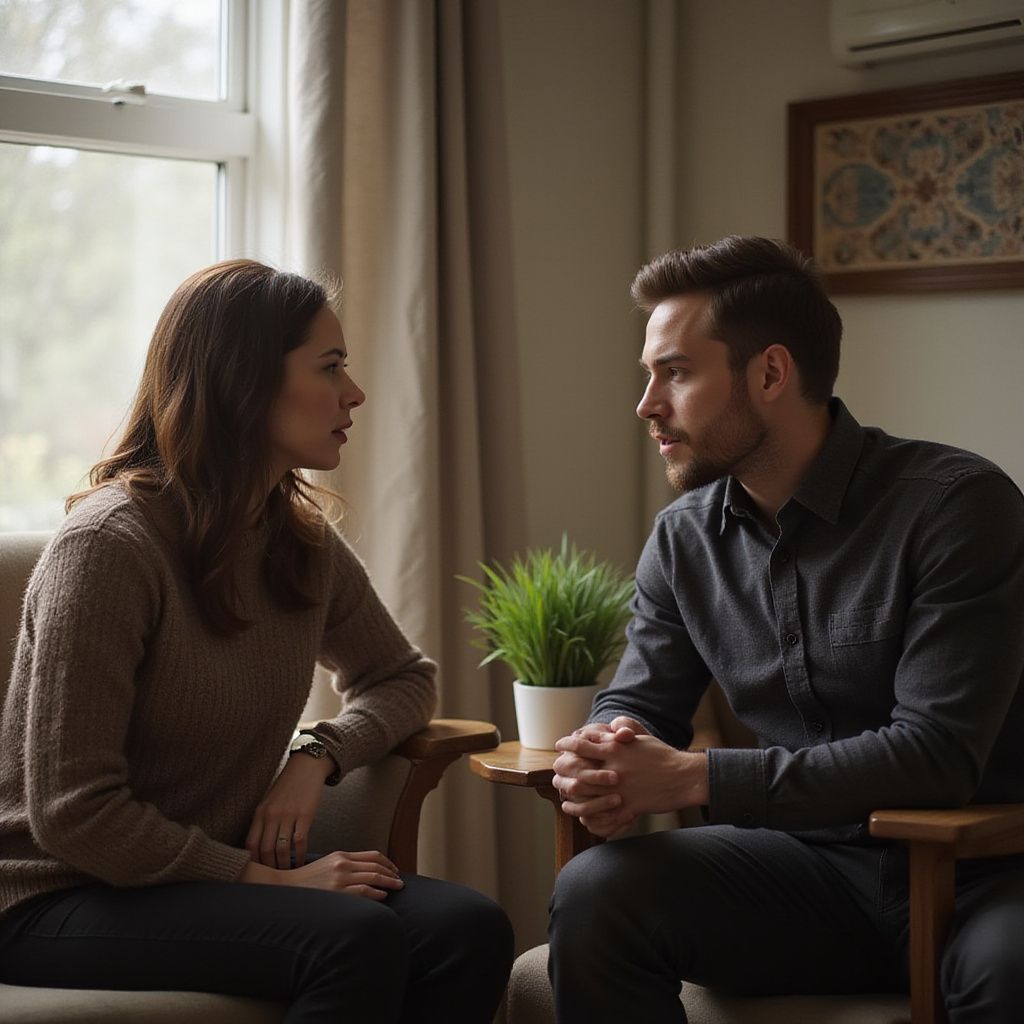
Underlying emotional disconnection affecting intimacy.

Communication about needs and preferences.

Medical or biological referrals when necessary.
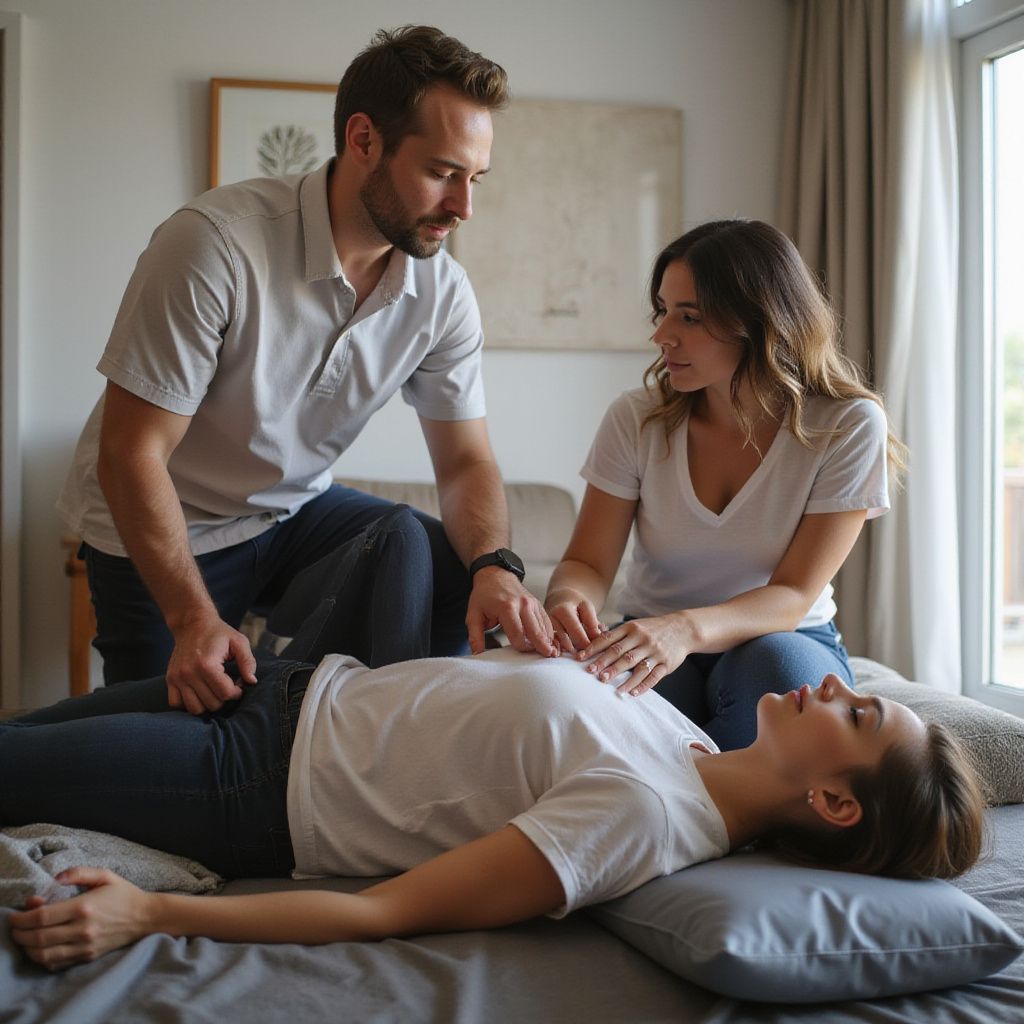
Sensate-focus and intimacy-building exercises.





Session logistics

Session length
Frequency
Mode
Fees


When to consider individual therapy alongside couples work
[Placeholder]
Evidence for couples therapy effectiveness
Measuring progress and success

Common challenges in couples therapy
Reluctance from One Partner
Therapy remains effective by focusing on individual changes that influence relationship dynamics.
High Conflict or Safety Concerns
Safety protocols guide therapy when violence or severe harm is present, with referrals as needed.
Slow Progress
Changing long-term patterns requires commitment, patience, and consistent practice.
Frequently Asked Questions
Can therapy save my marriage?
Couples therapy can significantly improve relationship functioning but success depends on mutual commitment, severity of issues, and willingness to engage in new behaviors.
How long will therapy take?
Some couples see improvement within 8–12 sessions; deeper change may take several months.
Do you work with same-sex couples?
Yes—affirmative, inclusive therapy for couples of all orientations and identities.
What if my partner refuses therapy?
Individual sessions can begin and we can develop strategies to encourage participation.

Contact and scheduling
Call (310) 544-0166 to schedule an initial phone consultation. A 20–30 minute consultation helps determine fit, logistics, and the best approach for your relationship.

Closing summary
Couples therapy at Pacific Coast Counseling is a practical, compassionate, and research-informed path to restored connection. Whether you’re facing betrayal, chronic conflict, or fading intimacy, therapy provides the tools and structure to heal and grow together.a