
Individual Therapy - Beverly J. Scott L.M.F.T. - Pacific Coast Counseling
Individual therapy at Pacific Coast Counseling offers a confidential space to address emotional challenges, develop coping skills, and improve personal well-being under the guidance of Beverly J. Scott, L.M.F.T. The process begins with a simple but important question: Are you willing to look at yourself and explore what it would take to feel better?
Individual Therapy
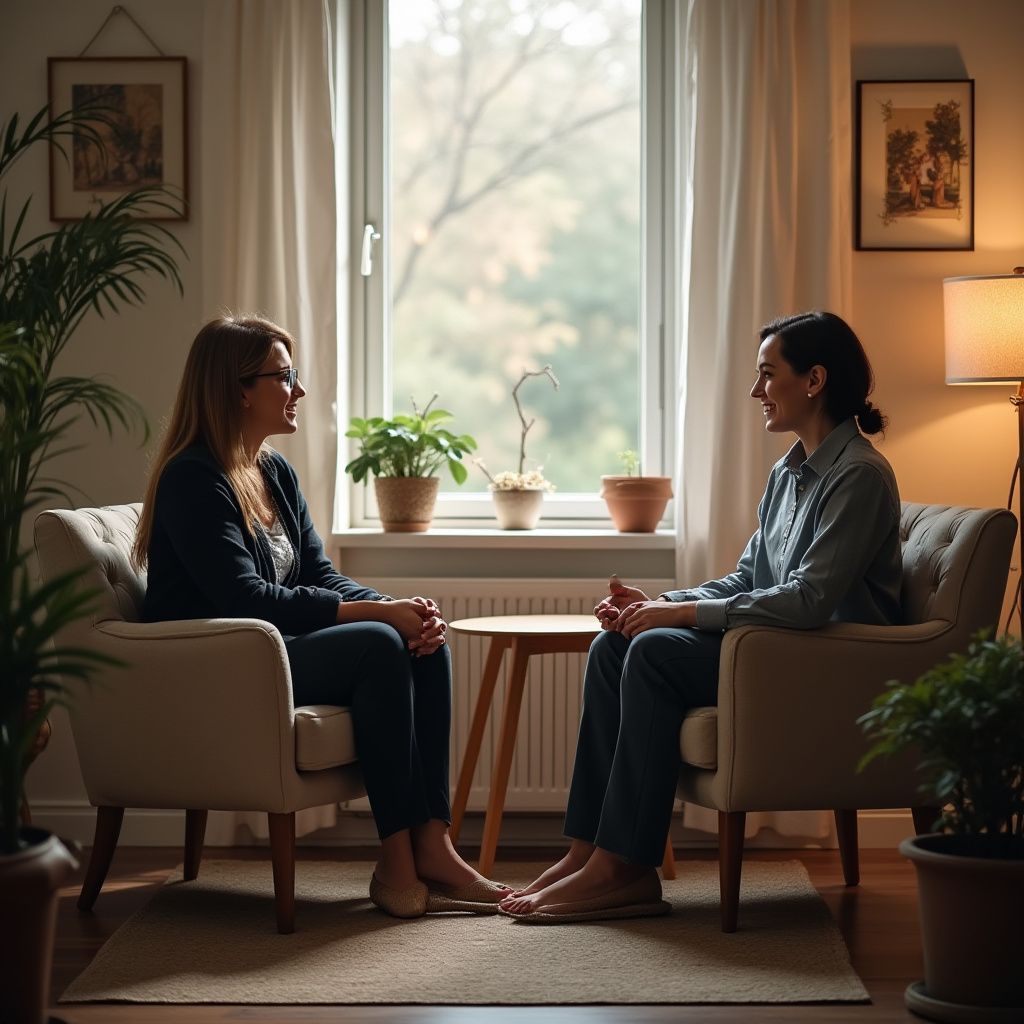


Why Individual Therapy Matters






Who benefits from individual therapy
Adults experiencing anxiety, depression, or chronic stress
People facing life transitions
Those with relationship problems
Survivors of trauma
Individuals seeking personal growth
Common issues treated in individual therapy
Generalized anxiety and panic disorder
Major depressive episodes or persistent depressive symptoms.
Relationship-pattern work: co-dependency, conflict avoidance, and communication difficulties.
Trauma symptoms: intrusive memories, hyperarousal, and avoidance.
Grief and loss processing
Work-related stress and performance anxiety.
Identity concerns and life-stage transitions.

Initial Assessment and Treatment Planning
Internal Family Systems: Listening as an Act of Love
Loving every part of yourself is the foundation of emotional health.True healing begins when you learn to listen inward—not just to outside voices, expectations, or criticism—but to your own internal experience.
One of my preferred approaches is Internal Family Systems (IFS), which teaches that we all have different “parts” within us. Rather than judging or silencing them, we learn to listen with curiosity and compassion. Listening is an act of love. When you begin to understand and accept all parts of yourself, you move toward greater wholeness, clarity, and peace.

Therapeutic modalities and interventions


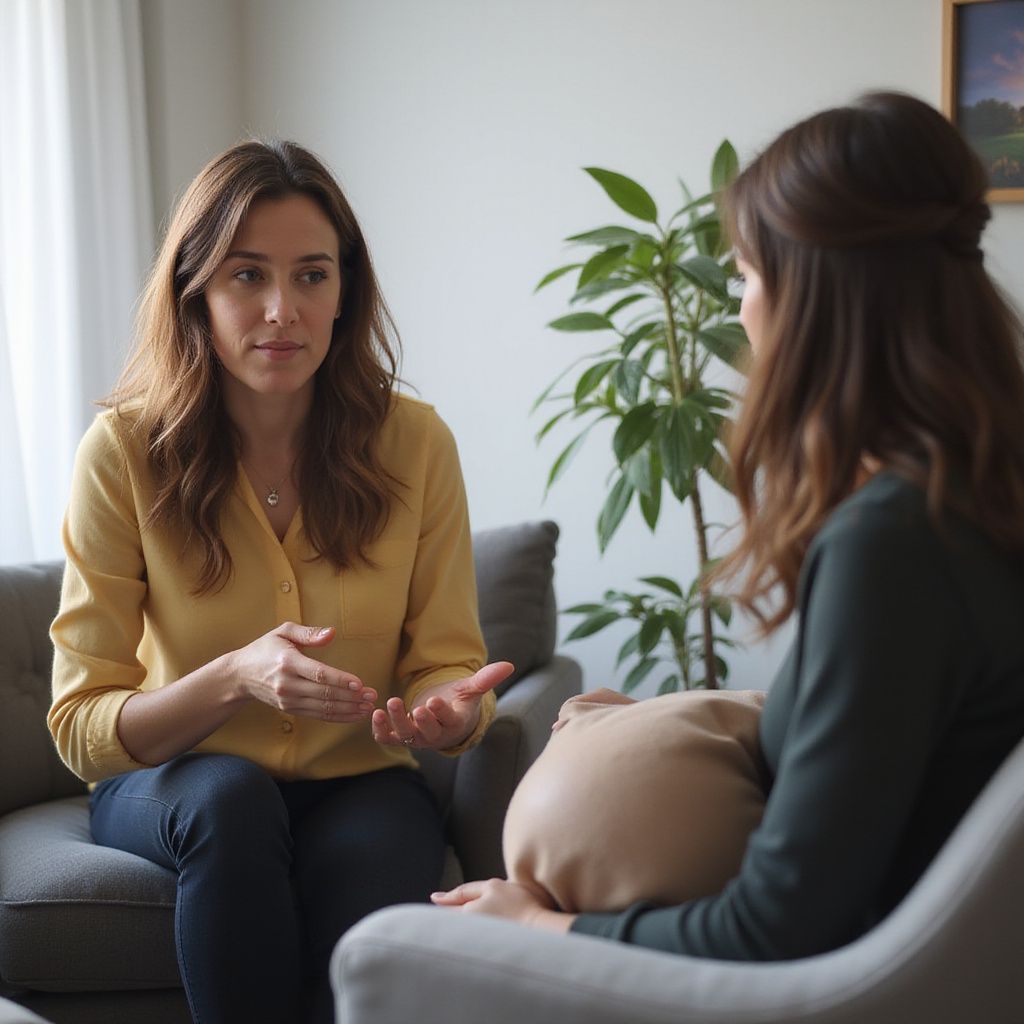



Practical skills taught in individual therapy
Individual therapy at Pacific Coast Counseling focuses on equipping clients with actionable tools to manage emotional challenges and improve daily functioning.
Cognitive restructuring
Techniques to identify and challenge negative beliefs that impact thoughts and behaviors.
Anxiety management tools
Breathing exercises and grounding methods designed to reduce anxiety symptoms effectively.
Behavioral experiments
Strategies to test and modify avoidance patterns that interfere with personal growth.
Communication skills
Training to enhance interpersonal interactions and strengthen relationships.
Self-care planning and relapse prevention
Developing personalized plans to maintain progress and prevent setbacks.
Session details for trauma therapy at Pacific Coast Counseling.
Session logistics and format
Session length
50 minutes for standard individual therapy.
Frequency
Weekly sessions are common initially; frequency may taper based on progress.
Location
In-person at 1611 South Pacific Coast Highway #200b, Redondo Beach, CA 90277, or secure telehealth.
Fees
Private pay; superbills available for out-of-network reimbursement.

Working with trauma in individual therapy
Trauma work is approached carefully: first focusing on stabilization and safety, then gradual processing when the client has adequate resources. Techniques are personalized and take into account dissociation, attachment disruption, and current triggers.

Relationship problems often appear in individual therapy as patterns of reactivity, avoidance, or insecure attachment.
Through insight and behavioral change, individuals can alter how they respond in relationships—producing ripple effects that improve partnerships and family interactions.
Addressing co-occurring relationship issues

Measuring progress and treatment length
Common client questions
How quickly will I feel better?
Some symptom relief often occurs within a few sessions; deeper change takes time and practice.
Is medication needed?
I do not prescribe medication; I collaborate with psychiatrists and primary care providers when medication evaluation or management is helpful.
What if I can’t afford weekly therapy?
Call to discuss possible sliding scale availability or adjusted schedules.
Are telehealth sessions confidential?
Yes—secure platforms are used to ensure privacy.
Safety and Crisis Planning
Client Testimonials and Outcomes

Getting started
Call (310) 544-0166 for a 20–30 minute phone consultation to determine fit and schedule your initial intake. Intake includes assessment forms and an intake session to map goals.
Schedule Consultation
We will get back to you as soon as possible.
Please try again later.
Individual Therapy at Pacific Coast Counseling
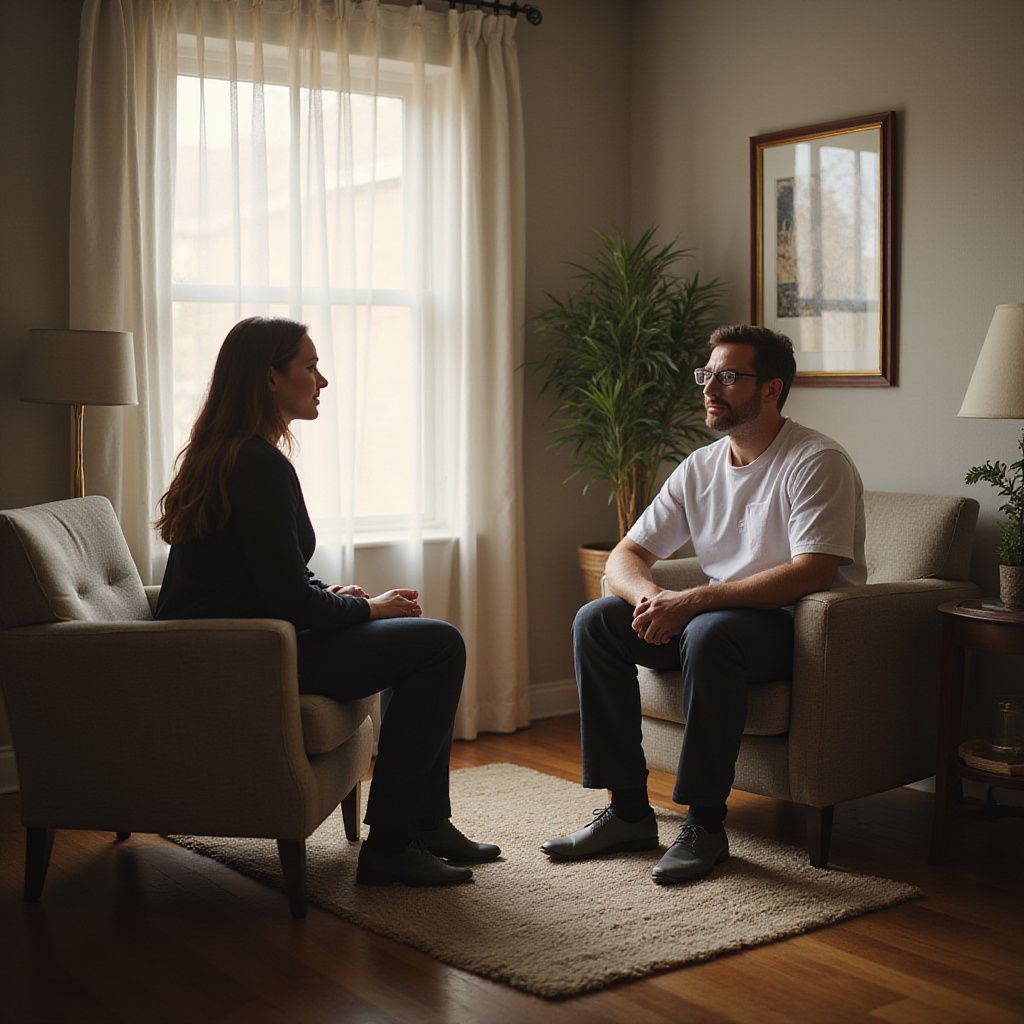
Individual therapy offers a confidential space to address emotional challenges, develop coping skills, and improve mental health. Sessions are tailored to your unique needs, whether managing life transitions, trauma, or relationship issues.
Individual Therapy at Pacific Coast Counseling

Closing reflection
Individual therapy at Pacific Coast Counseling provides personalized, evidence-informed support for adults seeking meaningful, lasting change. With warmth, skill, and a focus on practical outcomes, I support clients in building resilience, improving relationships, and living with greater emotional balance.