

Grief Therapy Focused on Processing Loss and Healing


Grief Therapy
Grief therapy at Pacific Coast Counseling provides specialized, compassionate psychotherapy to individuals and families processing death, separation, and non-death losses (divorce, job loss, relocation). Grief is a natural response to loss, but sometimes grief becomes prolonged, complicated, or interferes with daily functioning. Since 1996, I have supported clients through loss by providing an empathetic, structured approach that honors individual differences in grieving while promoting healing and adaptation.
Why Grief Therapy Matters

Grief touches every aspect of life—thoughts, emotions, relationships, and daily routines. Properly supported grief work matters because it helps people integrate loss into their lives, find ways to remember and honor what was lost, and build meaning and continuity in the face of change. Without guidance, grief can become stuck, leading to avoidance, depression, or persistent functional impairment. Grief therapy helps you navigate the unpredictable course of mourning with practical tools and emotional support.
Grief Therapy Focus and Benefits





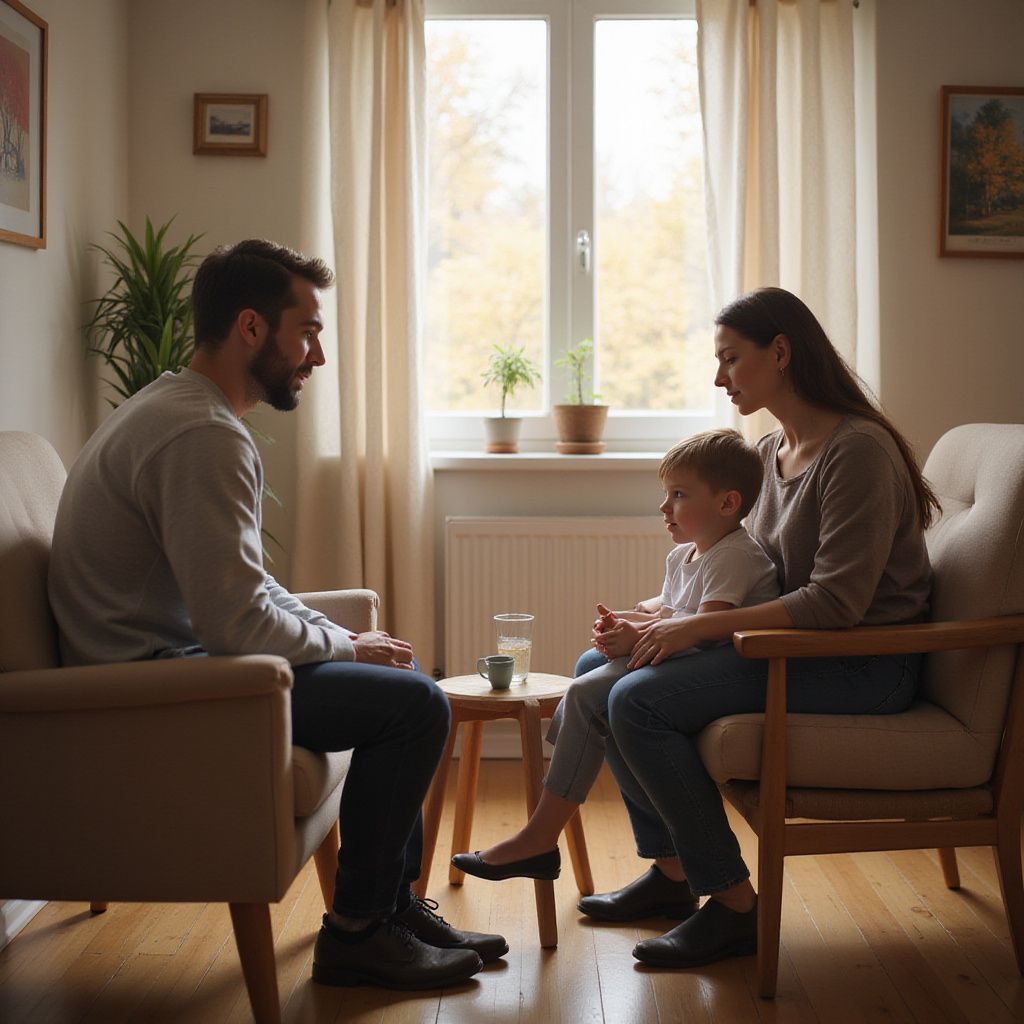
Who benefits from grief therapy
This therapy supports individuals and families facing various types of loss, including death and significant life changes.
People dealing with the death of a loved one
Clients coping with the loss of someone close, seeking guidance through the grieving process.
Individuals struggling with complicated grief or prolonged bereavement
Those experiencing extended or complex grief reactions that interfere with daily functioning.
Those experiencing non-death losses
Clients facing major life transitions such as divorce, career changes, or shifts in personal identity.
Families needing support to coordinate mourning and practical adjustments
Households requiring assistance in managing collective grief and adapting to new circumstances.
People seeking help with trauma-related grief or sudden loss
Individuals affected by unexpected events or traumatic experiences that complicate their grieving.
Common Grief Reactions




Common grief reactions addressed
This section outlines the core components of grief therapy, emphasizing personalized support for processing loss and rebuilding meaning.
Assessment and normalization
Intake involves understanding the loss, the relationship to what was lost, cultural and spiritual context, and current coping resources.
Meaning-making and narrative work
Therapy helps clients reconstruct a personal narrative that integrates the loss. This often involves telling the story, memorializing the relationship, and creating rituals that honor memory.
Complicated grief interventions
When grief is prolonged or disabling, targeted techniques—including exposure-based grief processing, cognitive restructuring around unhelpful beliefs (e.g., self-blame), and behavioral activation to reengage in meaningful activities—are used.
Family and relational support
Grief affects relationships. Therapy can help families create shared meaning, navigate role shifts, and maintain connection while grieving.
Rituals and memorialization
Creating rituals—formal or informal—helps with integration. Therapy supports the creation of rituals tailored to cultural preferences and personal meaning.
Therapeutic approach to grief

Assessment and normalization: Intake involves understanding the loss, the relationship to what was lost, cultural and spiritual context, and current coping resources.

Meaning-making and narrative work: Therapy helps clients reconstruct a personal narrative that integrates the loss. This often involves telling the story, memorializing the relationship, and creating rituals that honor memory.

Complicated grief interventions: When grief is prolonged or disabling, targeted techniques—including exposure-based grief processing, cognitive restructuring around unhelpful beliefs (e.g., self-blame), and behavioral activation to reengage in meaningful activities—are used.

Family and relational support: Grief affects relationships. Therapy can help families create shared meaning, navigate role shifts, and maintain connection while grieving.

Rituals and memorialization: Creating rituals—formal or informal—helps with integration. Therapy supports the creation of rituals tailored to cultural preferences and personal meaning.

Grief therapy for non-death losses
Not all powerful losses involve death. Divorce, job loss, chronic illness, and loss of identity can provoke grief responses. Therapy validates these losses, helps clients mourn what’s gone, and supports adjustment to new realities.

Grief therapy length depends on the loss and its complexity. Short-term support may last 6–12 sessions for acute grief reactions; complicated or traumatic losses may require extended work. The focus is on symptom stabilization, meaning-making, and rebuilding functional roles.
Duration and expectations
Signs of complicated grief include persistent yearning, severe functional impairment, pervasive self-blame, and avoidance of reminders long after the loss.
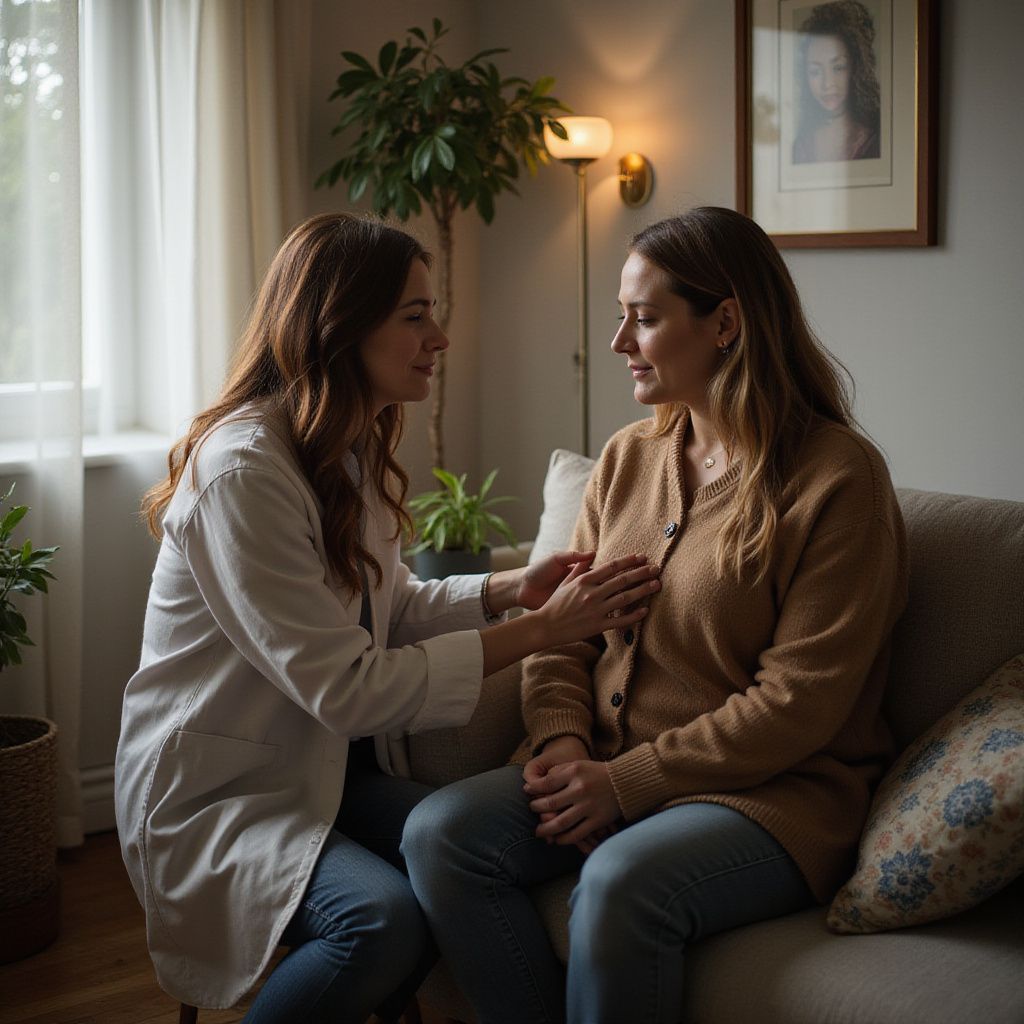

When grief becomes complicated
Signs of complicated grief include persistent yearning, severe functional impairment, pervasive self-blame, and avoidance of reminders long after the loss. If you’re experiencing these symptoms, grief therapy can provide specialized techniques to reduce the intensity and help you reengage with life.
Grief is deeply influenced by cultural and spiritual beliefs. Therapy respects these values and incorporates them into care—working collaboratively with religious leaders or cultural practices when helpful.
Integration with spiritual and cultural values

Practical session details
Location
Sessions are held at 1611 South Pacific Coast Highway #200b, Redondo Beach, CA 90277 or via secure telehealth.
Session Length
Each therapy session lasts 50 minutes, providing focused and consistent support.
Fees
Private pay is required, with superbills available upon request for insurance reimbursement.
Frequently Asked Questions
How long does grief counseling last?
It varies. Many benefit from 6–12 sessions; complicated grief may take longer. The process is tailored to your needs.
Is grieving supposed to have an end?
Grief evolves. While acute pain often lessens over time, elements of grief may remain as you integrate the loss into a new life narrative.
Can therapy bring back the deceased?
Therapy focuses on healing and building a continuing bond, not on reversing loss. Many clients find comfort in meaning-making practices and rituals.
Will I be judged for how I grieve?
No. Grief is personal, and therapy provides a nonjudgmental space for your unique process.
Our office
1611 South Pacific Coast Highway #200b, Redondo Beach, CA 90277
Call us
(310) 544-0166
Opening hours
MON-FRI: 9am-7pm
SAT-SUN: Closed (available weekends for emergencies by arrangement)


Getting started and intake process
Reach out by calling (310) 544-0166 for a phone consultation. The initial intake explores the nature of your loss, your current supports, and immediate needs. We’ll tailor a grief therapy plan that feels respectful, culturally attuned, and effective.

Closing statement
Grief reshapes our lives, but it can also be a passage to renewed meaning. With informed, compassionate grief therapy at Pacific Coast Counseling, you’ll receive the guidance and support you need to mourn, remember, and eventually rebuild a life that honors what you’ve lost while opening to what remains.